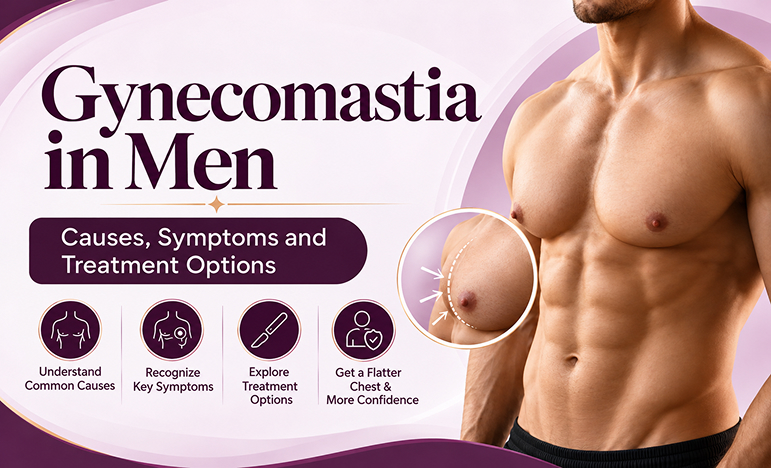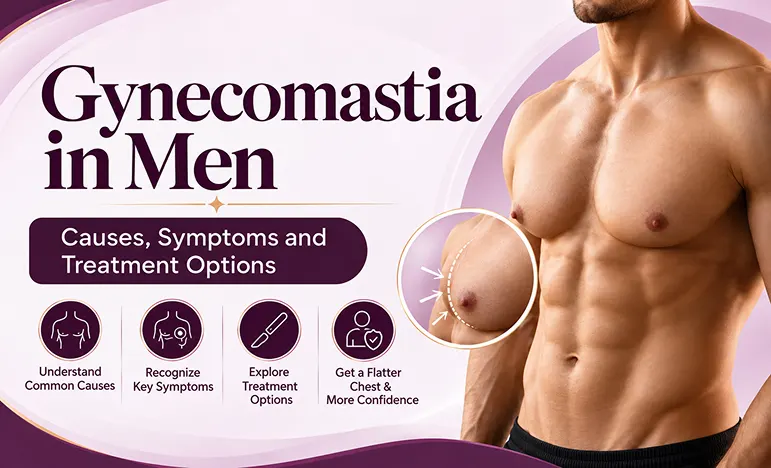
Gynecomastia in men is a condition in which breast gland tissue becomes enlarged, making the chest appear fuller than usual. It can affect one or both sides of the chest and may develop during puberty or adulthood. Although gynecomastia is often harmless, it can cause physical discomfort, embarrassment and concerns about body image.
Understanding the causes, symptoms and treatment options for gynecomastia can help men choose the right approach to managing the condition. Depending on the underlying cause, treatment may include observation, medical management, lifestyle changes or gynecomastia surgery.
What Is Gynecomastia in Men?
Gynecomastia is the enlargement of breast gland tissue in males. It usually develops due to an imbalance between two hormones: testosterone and estrogen. Although men naturally produce both hormones, changes in their levels can stimulate the growth of breast gland tissue.
Gynecomastia can occur in newborns, teenagers and adult men. It may affect one breast or both breasts, and the enlargement may not be equal on both sides.
The condition is generally noncancerous, but persistent breast enlargement, pain or unusual lumps should be evaluated by a doctor to identify the cause and rule out other conditions.
What Causes Gynecomastia in Men?
The most common cause of gynecomastia is a change in the balance between testosterone and estrogen. However, several other factors, including natural hormonal changes, certain medicines and underlying health conditions, may contribute to breast enlargement.
1. Hormonal Imbalance
Testosterone supports several male physical characteristics, while estrogen also plays a role in the male body. When estrogen activity increases relative to testosterone activity, breast gland tissue may grow.
This imbalance can occur at different stages of life and may sometimes be linked to a medical condition that affects hormone production.
2. Puberty
Gynecomastia commonly develops during puberty because hormone levels change rapidly during this stage of growth. Teenagers may notice small, firm or tender areas beneath their nipples.
In many cases, puberty-related gynecomastia improves naturally as hormone levels stabilise. However, persistent enlargement or significant discomfort should be discussed with a healthcare professional.
3. Ageing
As men grow older, testosterone levels may decrease, while changes in body composition and other health factors can affect hormone balance. Certain medicines and medical conditions that become more common with age may also contribute to gynecomastia.
4. Obesity and Excess Body Fat
Excess body fat can make the chest appear enlarged. Fat tissue can also influence hormone activity, which may contribute to the development of glandular breast enlargement in some men.
It is important to distinguish between true gynecomastia, which involves breast gland tissue, and pseudogynecomastia, which is mainly caused by fat accumulation.
Weight management may help reduce chest fullness caused by fat, but it may not remove established glandular tissue.
5. Medicines and Supplements
Certain medicines can contribute to gynecomastia as a side effect. These may include:
- Some medicines used to treat prostate conditions.
- Certain medicines for high blood pressure and heart conditions, such as spironolactone.
- Some medicines used to treat ulcers and other digestive problems.
- Certain psychiatric medicines.
- Some medicines used in the treatment of cancer.
- Anabolic steroids and some hormone-related supplements.
Not everyone taking these medicines will develop gynecomastia. If breast enlargement begins after starting a medicine or supplement, consult a doctor. Do not stop prescribed medication without medical advice.
6. Underlying Medical Conditions
Some health conditions can affect hormone levels or the body’s ability to process hormones. These may include:
- Liver disease: Advanced liver disease can interfere with normal hormone metabolism.
- Kidney disease: Reduced kidney function may contribute to hormonal changes.
- Thyroid disorders: An overactive thyroid can affect hormone balance.
- Low testosterone: Conditions that reduce testosterone production may contribute to breast tissue growth.
- Certain testicular or adrenal conditions: Some uncommon tumours can produce hormones that lead to breast enlargement.
7. Alcohol and Other Substances
Heavy alcohol use, anabolic steroid misuse and certain recreational substances may contribute to hormonal changes associated with gynecomastia. Some unregulated bodybuilding products may also contain substances that affect hormone levels.
Avoiding non-prescribed anabolic steroids and discussing supplement use with a doctor can help reduce potential risks.
What Are the Symptoms of Gynecomastia?
The symptoms of gynecomastia vary depending on the amount of breast gland tissue involved and the underlying cause. Some men notice only a change in chest appearance, while others experience tenderness or discomfort.
Common symptoms include:
- Enlarged breasts: The chest may look fuller or more rounded than usual.
- Swelling beneath the nipples: A firm or rubbery area of tissue may develop under one or both nipples.
- Breast tenderness: The enlarged area may feel sore or uncomfortable when touched.
- Nipple sensitivity: The nipples may become more sensitive to pressure or friction from clothing.
- Uneven chest appearance: One breast may be larger than the other.
- Emotional discomfort: Some men may feel self-conscious about their chest and avoid swimming, changing in public or wearing certain clothes.
When Should You Consult a Doctor?
Seek medical evaluation if you notice:
- A new or persistent lump in the breast or nipple.
- Rapid breast enlargement.
- Persistent pain or tenderness.
- Fluid or blood coming from the nipple.
- Skin dimpling, redness or changes in the nipple.
- A lump in the testicle or other unexplained changes.
Male breast cancer is uncommon, but these symptoms should not be ignored. A medical examination can help determine whether the changes are caused by gynecomastia or another condition.
Also Read:- Plastic Surgery vs Cosmetic Surgery
Gynecomastia vs Pseudogynecomastia: What Is the Difference?
Gynecomastia and pseudogynecomastia can both make the male chest appear enlarged, but they have different causes.
| Feature | Gynecomastia | Pseudogynecomastia |
| Main cause | Growth of breast gland tissue | Accumulation of fat |
| Common appearance | Fuller area beneath the nipple | More general chest fullness |
| Hormonal link | Often associated with hormonal imbalance | Mainly associated with excess fat |
| Role of weight loss | May not remove established gland tissue | May reduce chest fat |
| Treatment | Depends on the cause; surgery may be considered | Weight management; surgery may be considered in selected cases |
How Is Gynecomastia Diagnosed?
The diagnosis of gynecomastia begins with a medical consultation and physical examination. The doctor assesses the breast tissue, reviews the patient’s medical history and checks for factors that may explain the enlargement.
The diagnostic process may include the following steps.
1. Medical History
The doctor may ask when the enlargement started, whether it is painful and whether it affects one or both breasts. Information about medicines, supplements, steroid use and existing health conditions can also help identify possible causes.
2. Physical Examination
The examination helps distinguish glandular breast tissue from excess fat and identifies any unusual lumps or changes in the skin. Depending on the symptoms, the doctor may also examine other areas relevant to hormonal health.
3. Blood Tests
Blood tests may be recommended when a hormonal imbalance or an underlying medical condition is suspected. Depending on the clinical findings, tests may assess testosterone, other hormones, thyroid function, liver function or kidney function.
4. Imaging Tests
An ultrasound or mammogram may be recommended if the examination reveals an unusual lump or if the diagnosis is uncertain. Additional tests may be required in selected cases.
Not every patient needs all these tests. The doctor recommends investigations according to the symptoms, examination findings and suspected cause.
What Are the Treatment Options for Gynecomastia in Men?
The treatment for gynecomastia depends on the patient’s age, the cause of breast enlargement, the duration of the condition and the level of discomfort it causes. Some cases improve without treatment, while others may require medical management or surgery.
1. Observation and Monitoring
When gynecomastia develops during puberty, doctors may recommend monitoring the condition because it often improves naturally.
Observation may also be appropriate in other cases when the enlargement is mild, the cause is understood and there are no concerning symptoms.
Regular follow-up helps determine whether the condition is improving or requires further evaluation.
2. Treating the Underlying Cause
If gynecomastia is associated with a medical condition, treating that condition may help manage the breast enlargement.
For example, a doctor may recommend appropriate treatment for a thyroid disorder or evaluate low testosterone when clinically indicated. If a medicine is suspected of causing the problem, the prescribing doctor may consider an alternative where appropriate.
The response to treatment varies, especially when breast gland tissue has been present for a long time.
3. Medication for Gynecomastia
In selected cases, a doctor may consider medication to address hormone-related breast tissue changes, particularly when symptoms have developed recently and tenderness is present.
The choice of medication depends on the cause and individual medical assessment. Some medicines used for gynecomastia are prescribed off-label, and they are not suitable for everyone.
Self-medication, testosterone use without a confirmed medical need and unverified hormone-balancing supplements should be avoided. Medicines may be less effective once longstanding breast gland tissue has become established.
4. Lifestyle Changes and Weight Management
Lifestyle changes may help when excess chest fat contributes to the appearance of enlarged breasts.
Helpful measures may include:
- Maintaining a balanced diet.
- Engaging in regular physical activity.
- Managing body weight where necessary.
- Avoiding non-prescribed anabolic steroids.
- Limiting alcohol and discussing potentially relevant supplements with a doctor.
Exercise can strengthen the chest muscles and support overall fitness, but it cannot directly remove established breast gland tissue. Men with true gynecomastia may continue to have breast enlargement even after losing weight.
5. Gynecomastia Surgery
Gynecomastia surgery, also called male breast reduction surgery, may be considered when breast enlargement persists, causes discomfort or affects a person’s quality of life.
The procedure aims to reduce excess breast tissue and improve the contour of the chest. The surgical approach depends on whether the enlargement is caused mainly by glandular tissue, excess fat or both.
Two commonly used techniques are:
Liposuction: This technique removes excess fat through small incisions using a thin tube called a cannula. It may be suitable when fat contributes significantly to chest enlargement, but it does not remove glandular tissue by itself.
Glandular tissue excision: This technique removes excess breast gland tissue through an incision. It may be recommended when firm glandular tissue is responsible for the enlargement.
Combined surgery: Some patients require both liposuction and glandular tissue removal to address fat and glandular enlargement together.
The choice of technique should be based on an individual assessment rather than the appearance of the chest alone.
Who May Consider Gynecomastia Surgery?
Surgery may be discussed with men who:
- Have persistent breast enlargement that has not improved over time.
- Have excess glandular tissue or fat that affects chest contour.
- Experience ongoing discomfort or tenderness.
- Feel significantly affected by the appearance of their chest.
- Have undergone an appropriate medical evaluation to identify the cause.
The suitability and timing of surgery depend on factors such as age, overall health, the cause of gynecomastia and whether the breast tissue is still changing.
What Happens During Gynecomastia Surgery?
The surgical plan is determined during consultation. The doctor assesses the amount of fat and glandular tissue, the skin’s condition and the patient’s expectations.
Depending on the technique, the procedure may involve small incisions, liposuction, removal of glandular tissue or a combination of these methods. Anaesthesia is selected according to the procedure and the patient’s needs.
After surgery, patients receive instructions about wound care, physical activity, follow-up visits and the use of compression garments if recommended.
As with any operation, possible risks include bleeding, infection, fluid accumulation, scarring, changes in nipple sensation, asymmetry and contour irregularities. The doctor should explain the potential benefits, limitations and risks before treatment.
Gynecomastia Surgery Recovery, What to Expect
Recovery varies depending on the surgical technique, the extent of tissue removal and the individual’s health.
Some common aspects of recovery include:
- Initial swelling and bruising: These may occur after surgery and gradually improve.
- Mild discomfort: Temporary soreness or tightness may be managed according to the doctor’s instructions.
- Compression garments: These may be recommended to support the chest during healing.
- Activity restrictions: Heavy lifting, strenuous exercise and chest workouts may need to be avoided for a period advised by the surgeon.
- Follow-up appointments: These help the doctor assess healing and identify any complications.
Can Gynecomastia Be Prevented?
Not all cases of gynecomastia can be prevented because natural hormonal changes during puberty and ageing are common causes. However, certain measures may help reduce avoidable risk factors.
- Maintain a healthy body weight.
- Avoid non-prescribed anabolic steroids and performance-enhancing drugs.
- Limit alcohol consumption.
- Discuss possible side effects of medicines with a doctor.
- Avoid unverified bodybuilding and hormone-related supplements.
- Seek medical advice if breast enlargement develops suddenly or persists.
These steps may help manage contributing factors, but they cannot guarantee prevention.
Consult Dr Aneesh Suresh for Gynecomastia Evaluation
If enlarged breast tissue is affecting your comfort or confidence, identifying the underlying cause is an important first step. Treatment may range from monitoring and medical management to surgical options, depending on the diagnosis.
Dr Aneesh Suresh can be contacted for information about assessment and appropriate treatment options for male breast enlargement. A consultation can help clarify whether the condition is true gynecomastia, excess chest fat or a combination of both.
Concerned about gynecomastia? Visit Dr Aneesh Suresh’s website to enquire about a consultation and discuss suitable treatment options.
Frequently Asked Questions About Gynecomastia in Men
1. What is the main cause of gynecomastia in men?
The main cause is an imbalance between testosterone and estrogen activity that leads to the growth of breast gland tissue. Puberty, ageing, certain medicines and underlying medical conditions may contribute to this imbalance.
2. Can gynecomastia go away naturally?
Yes. Gynecomastia caused by normal hormonal changes during puberty often improves on its own. However, persistent enlargement in adults may require evaluation and treatment depending on the cause.
3. Can exercise remove gynecomastia?
Exercise can help reduce excess chest fat and strengthen the chest muscles. However, it does not directly remove established glandular breast tissue. The treatment depends on the type of enlargement.
4. Is gynecomastia dangerous?
Gynecomastia is usually benign and does not cause serious physical problems. However, sudden enlargement, a hard lump, nipple discharge or skin changes require medical evaluation to rule out other conditions.
5. What is the difference between gynecomastia and chest fat?
Gynecomastia involves enlarged breast gland tissue, whereas pseudogynecomastia is caused mainly by fat accumulation. Some men have both, and a medical examination can help distinguish between them.
6. Which medicines are used to treat gynecomastia?
Depending on the cause and timing, a doctor may consider medicines such as tamoxifen in selected cases. Medication is not suitable for everyone, and treatment should only be started following medical evaluation.
7. Is gynecomastia surgery permanent?
Surgery can remove existing excess glandular tissue and fat, but the outcome depends on the technique and underlying cause. Future hormonal changes, certain medicines, steroid use or weight changes may affect the chest’s appearance.
8. Is gynecomastia surgery painful?
Some discomfort, swelling and bruising can occur after surgery. Anaesthesia and appropriate postoperative care help manage discomfort, while recovery varies from person to person.
9. How long does it take to recover from gynecomastia surgery?
Initial recovery may take days to weeks, depending on the procedure and individual healing. Strenuous exercise may need to be restricted for several weeks, and the final chest contour can take several months to become apparent.
10. When should I consult a doctor for gynecomastia?
Consult a doctor if breast enlargement persists, causes discomfort or affects your well-being. Seek prompt medical evaluation for a new hard lump, nipple discharge, skin changes or rapid enlargement.